Cold
Colder is slower. −20 °C is the usual long-term condition. Avoid repeated freeze and thaw of the same vial.
Slows every changeStorage guide · lyophilized material
Sealed, freeze-dried peptides are stable. Four conditions keep them that way: cold, dark, dry and sealed.
01The four conditions
A dry, sealed cake changes very slowly. Each of these slows it further.
Colder is slower. −20 °C is the usual long-term condition. Avoid repeated freeze and thaw of the same vial.
Slows every changeKeep vials away from direct light. Some residues, tryptophan in particular, degrade under it.
Limits photo-oxidationMoisture drives most change in a dry cake. Let a cold vial reach room temperature before handling it.
Limits hydrolysisThe crimp keeps out air and moisture. Leave it intact until the vial is needed, and check it on arrival.
Keeps the air out02Temperature
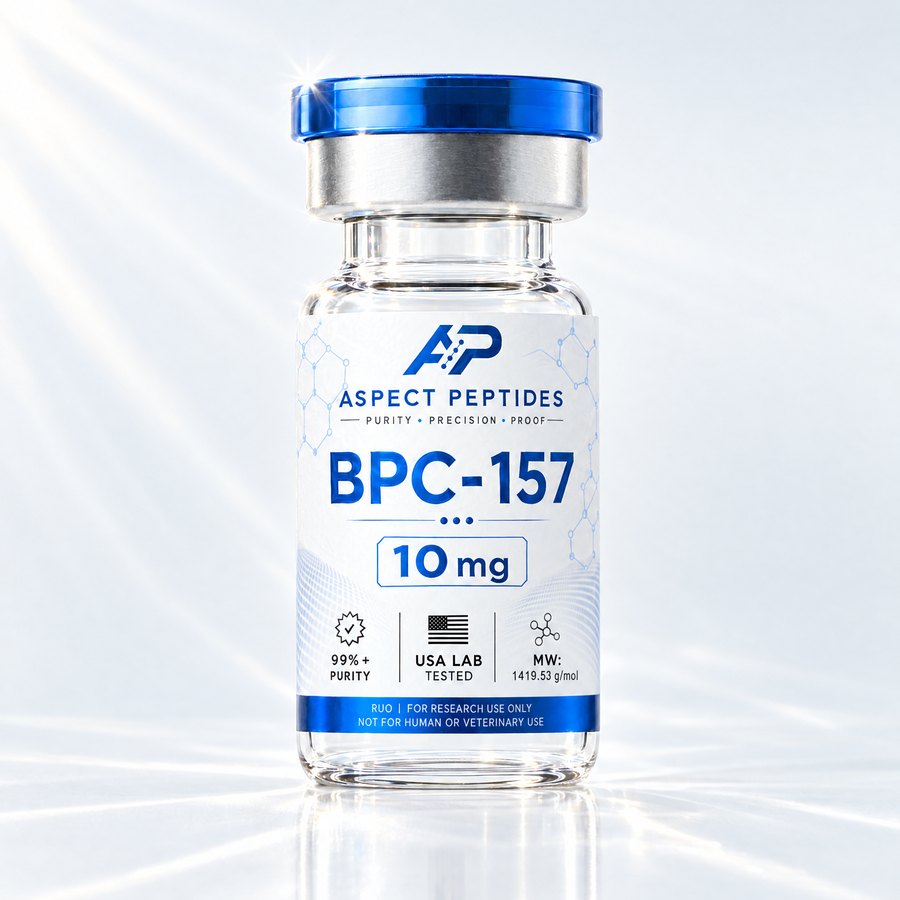
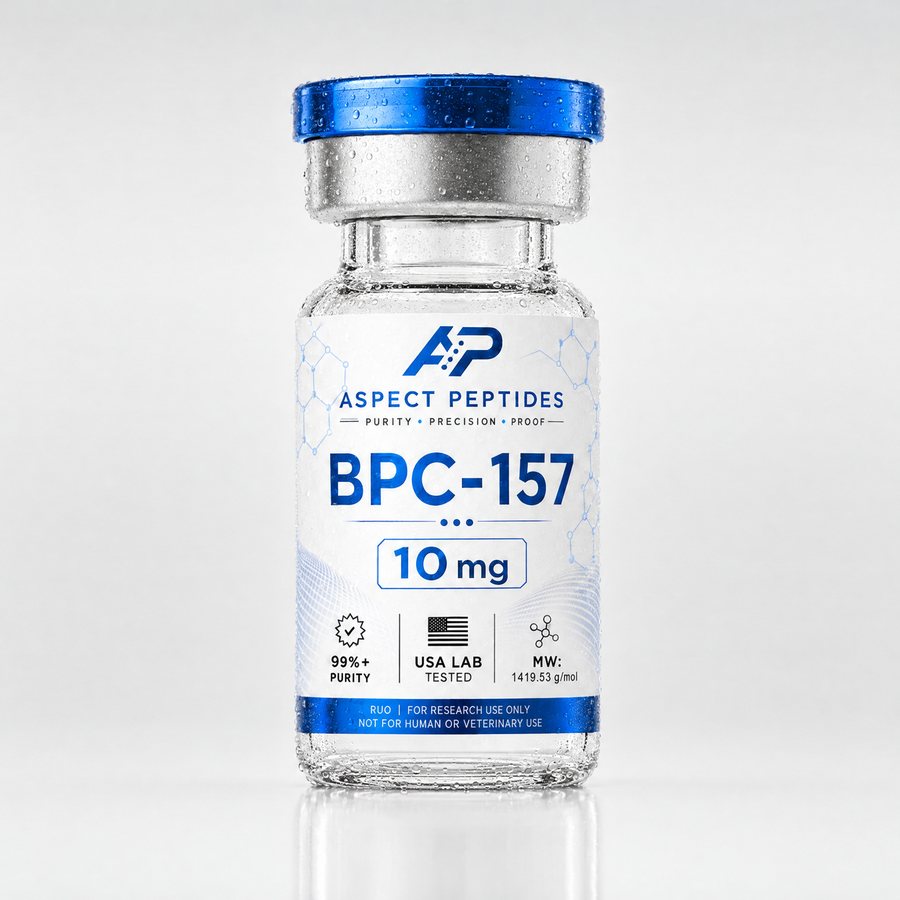
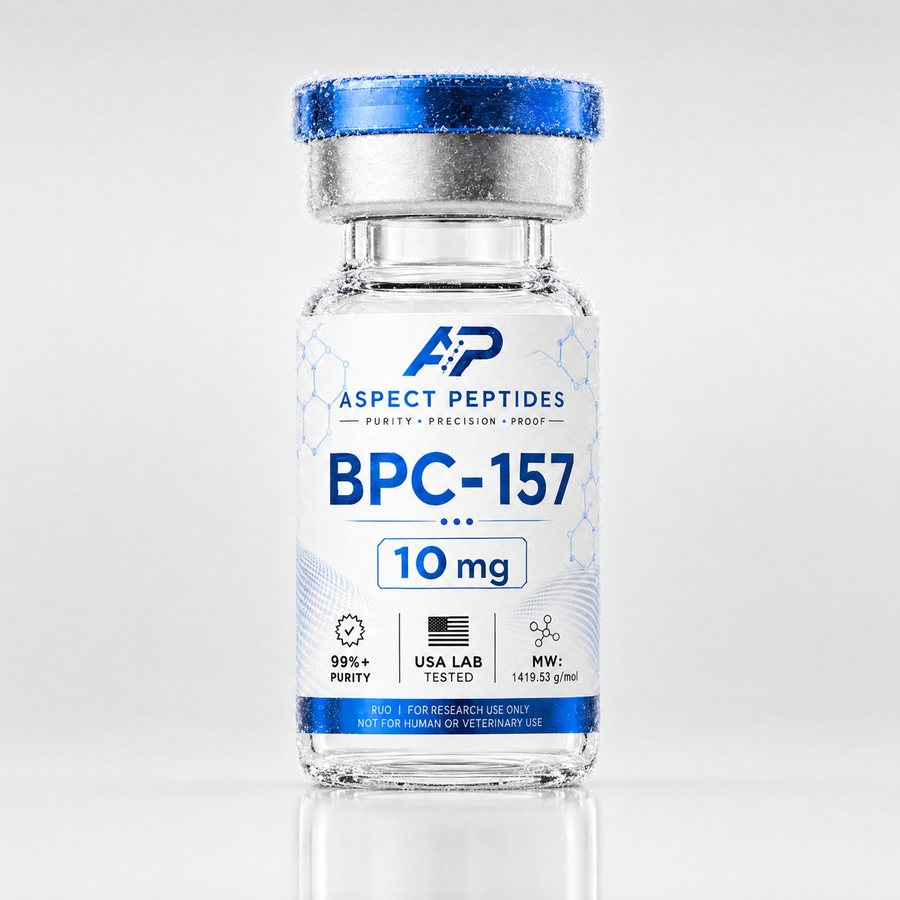
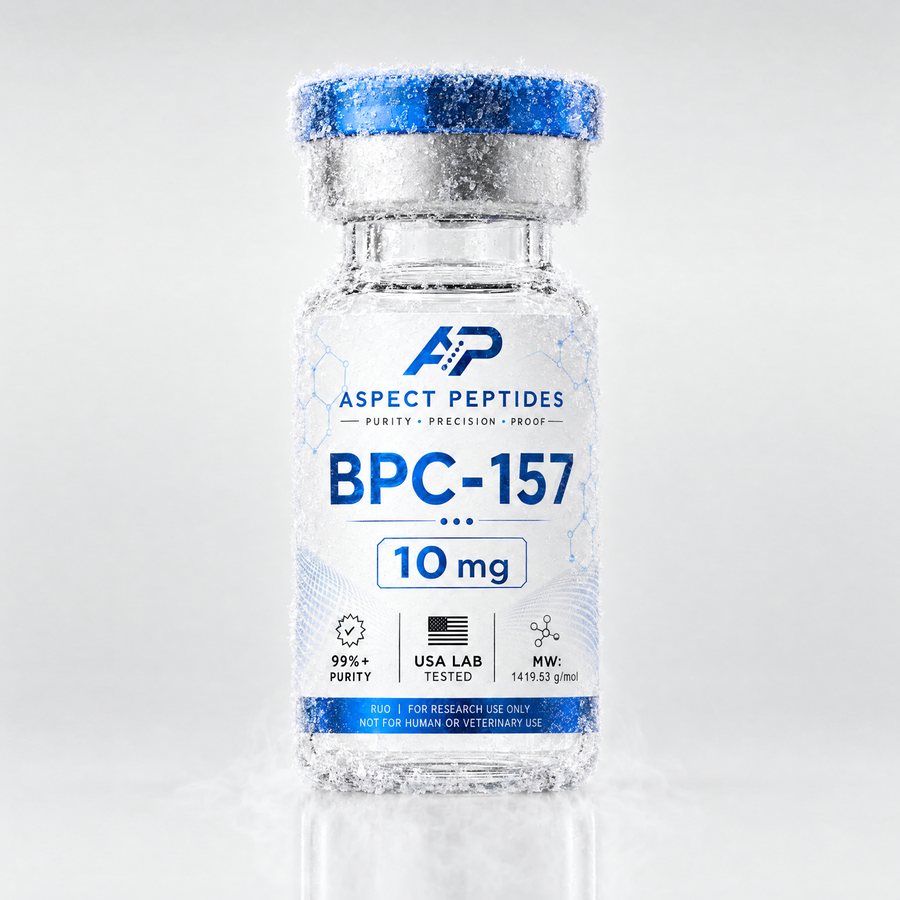
The longer you plan to hold a vial, the colder it belongs. Drag the slider and watch the vial freeze.
03Sensitivity
Read from each compound's own sequence. Methionine, cysteine and tryptophan oxidize. Asparagine and glutamine can deamidate when moisture gets in.
One letter per residue, from the N-terminus. Lower-case f is D-phenylalanine, Nle is norleucine.
04Condensation
Bring a vial straight out of the cold and the moisture in the room settles on the glass. Give it time to reach room temperature first, and that moisture has nowhere to go.
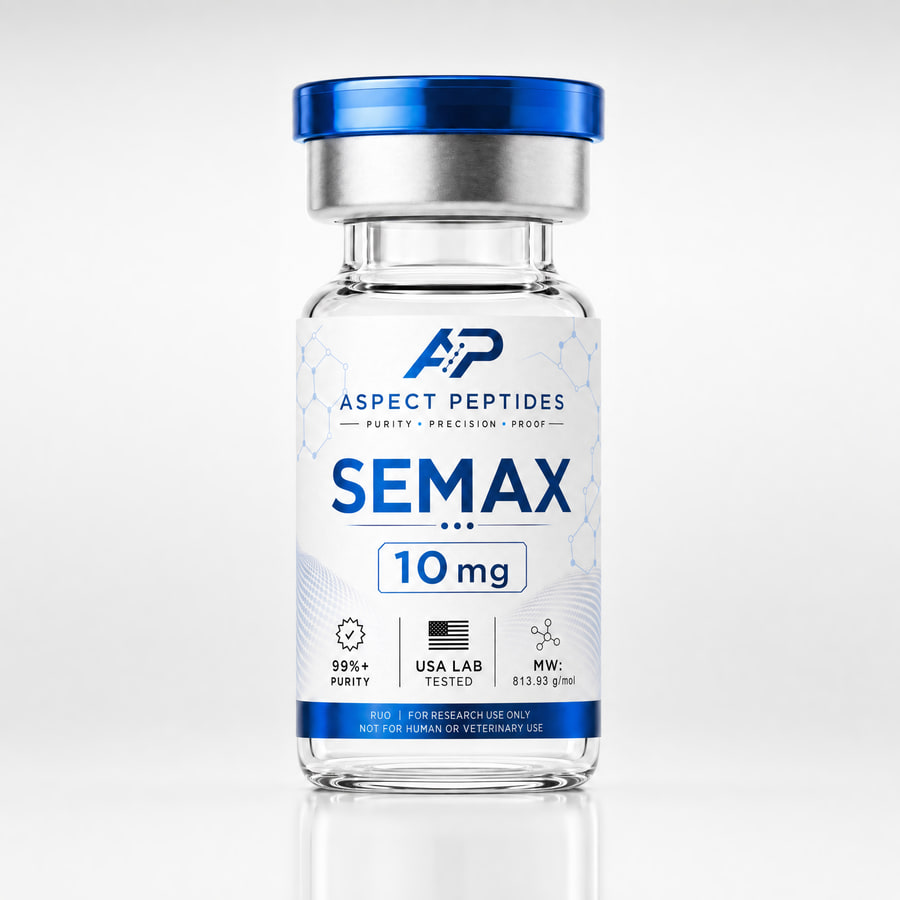
05At a glance
Do
!Avoid
06On arrival
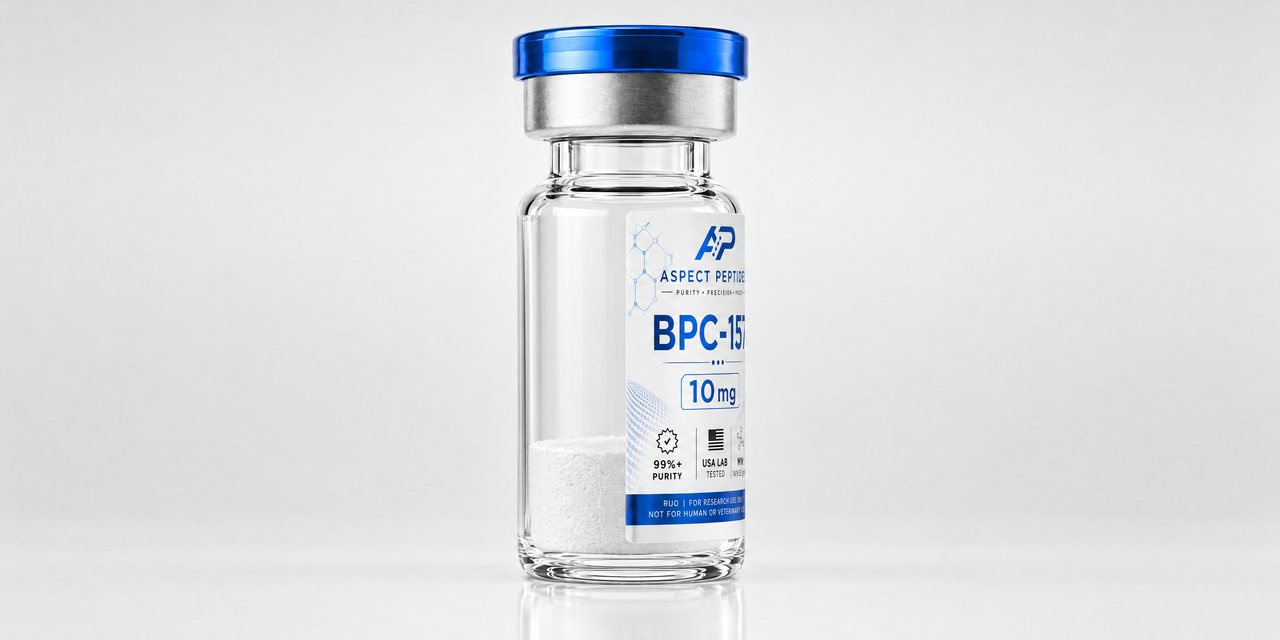
The crimp should be intact and the cap seated flat. The material should be a dry cake or powder.
Shipping and returnsTop recent resultFreedom Diagnostics
99.99%HPLC purity
Every lot has its own record. Check that the lot on your vial matches it before it goes in the cold.
Verify a batchGeneral practice for lyophilized material, not a protocol. Follow your institution's procedures. Aspect does not provide guidance on preparing or using these materials, which are sold for in-vitro laboratory research only.